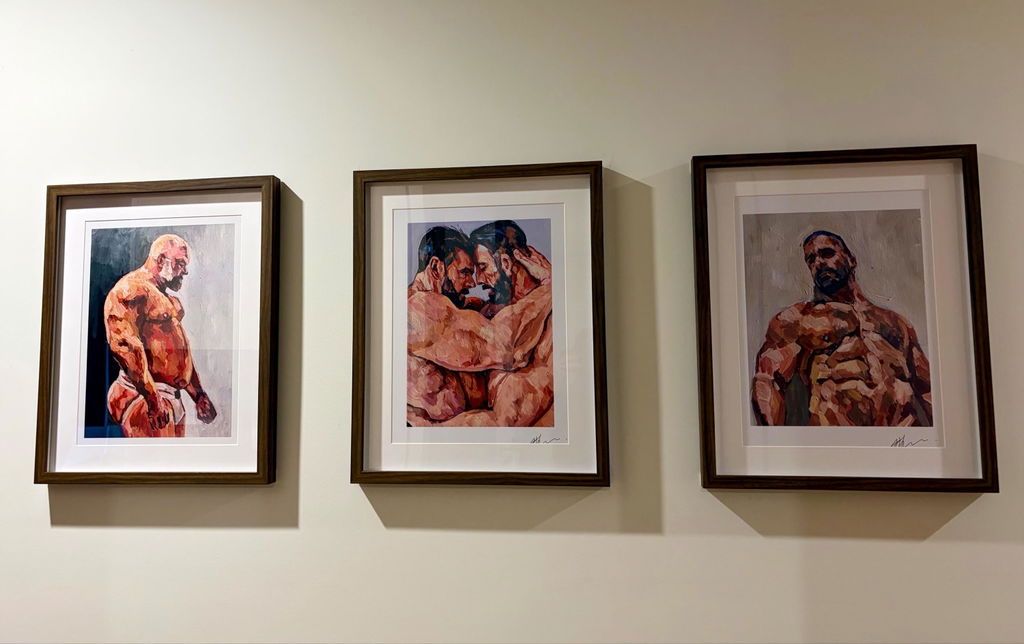
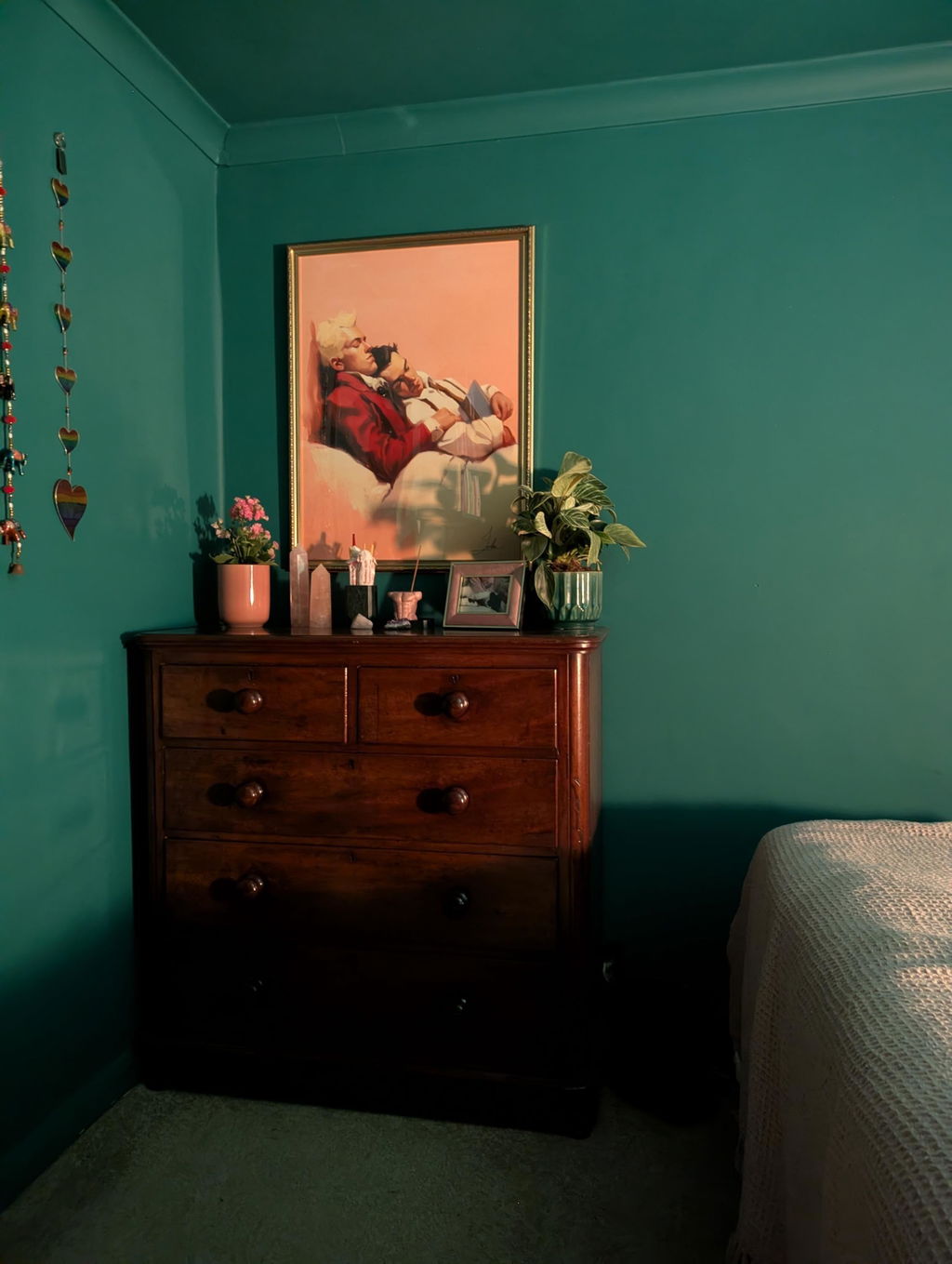
Based on 394 reviews
95%
(375)
3%
(12)
1%
(3)
1%
(3)
0%
(1)


The paper and image quality is exceptional. Will definitely order again.


Fu***** LOVE my print and love the service. Thank you for also sending something to adhere it to the wall with. Will be purchasing more, and have already recommended to friends.


Such a great statement piece in our space! We love it so so much and will definitely be buying more!
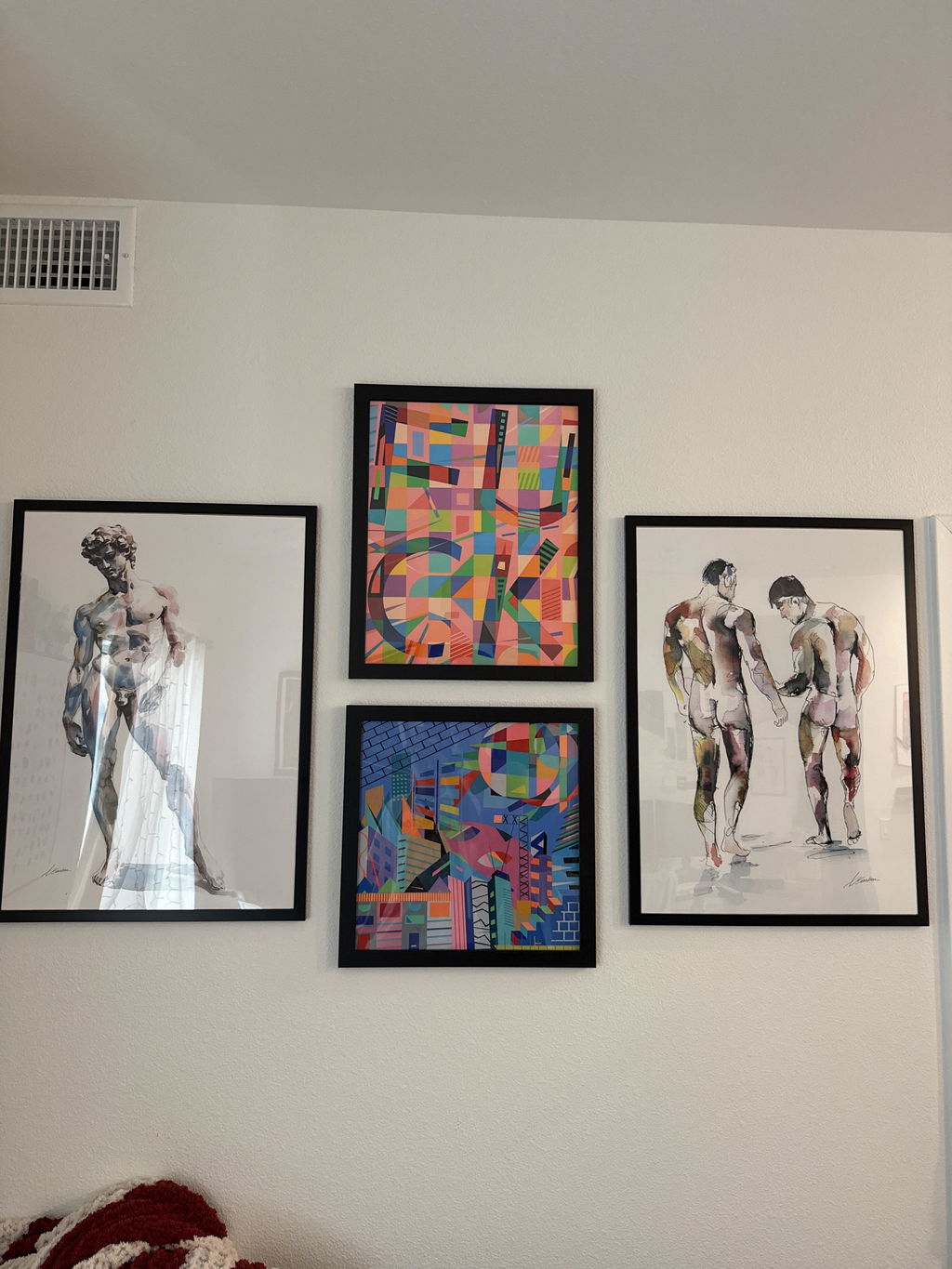


Very hot artwork! Hung it in my bedroom. Second piece I bought from you all. Hope to look at it many times.


D
Muscle Love (2024) by Andy Sylvester | Gay Art Print for bathroom | Gay Artist | Gay Muscle Print | Gay Pride Print for bedroom Very happy when they arrived.
Good packaging, reasonable delivery time and love the prints.